
Each component of the steel structure can be designed separately according to the customer’s architectural and structural requirements, and then assembled in a reasonable sequence. Due to the advantages and flexibility of steel materials, steel structures have been widely used in medium and large (prefabricated steel structure factory buildings) projects.
Steel structures also involve secondary structures and other steel structural components of buildings. Each steel structure has its own characteristic shape and chemical composition to meet the requirements of the corresponding project.
The main components of steel are iron and carbon. Manganese, alloys and other chemical components are also added to increase strength and durability.
Depending on the specific requirements of each project, steel structural components can be formed by hot or cold roll forming or by welding of thin or bent plates.
Steel structures come in many shapes, sizes and specifications. Common shapes include wage beams, channel steel and angle steel
1.I-beam: refers to a steel beam with an I-shaped section
2.Z-shaped: refers to components with Z-shaped cross-section.
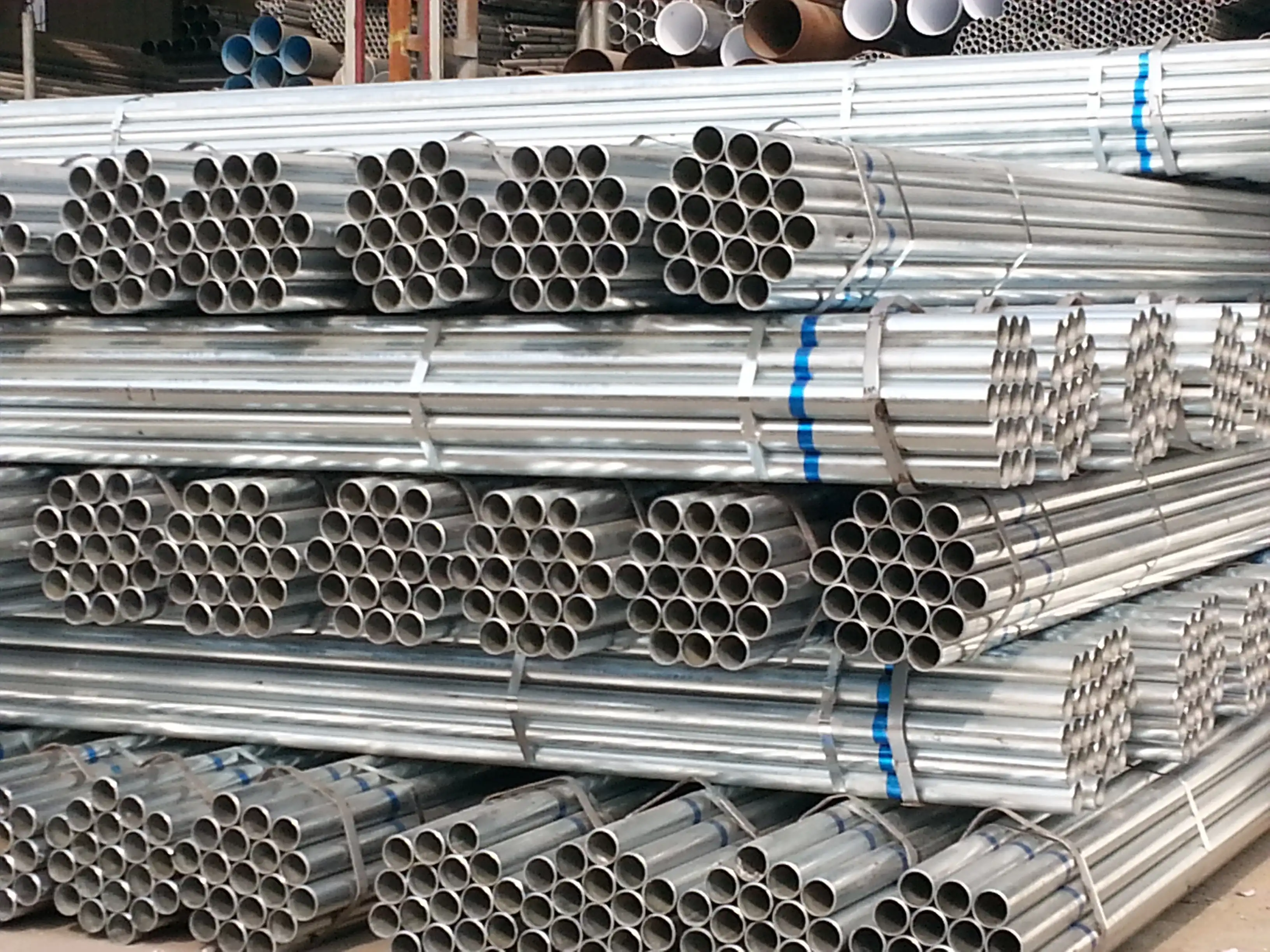
3.Tubular: Hollow cross-sections include square, rectangular, round, oval, etc.
4.Angle steel: Steel with an “L” angular cross-section.
5.Channel steel: It is a long steel material with a groove-shaped cross-section.
6.T-shaped: Steel with a “T”-shaped cross-section.
7.Track section: strip track, beam track, Barro track, flat bottom track, double-ended track, grooved track, etc.
8.Bar: A long, narrow, rectangular piece of metal that is not wide enough to form a plate.
9.Rod: A long, narrow piece of metal such as a steel bar of circular or rectangular cross-section.
10.Plate: A sheet with a thickness greater than 4 mm.
hollow beam
Main structural types
Truss structure: A structure made of rods hingedly connected to each other at both ends.
Frame structure: a structure composed of beams and columns connected by rigid or hinged connections
Grid structure: a network space rod structure composed of many rods arranged according to certain rules from two or several directions and connected through nodes.
1.arch
2.prestressed structure
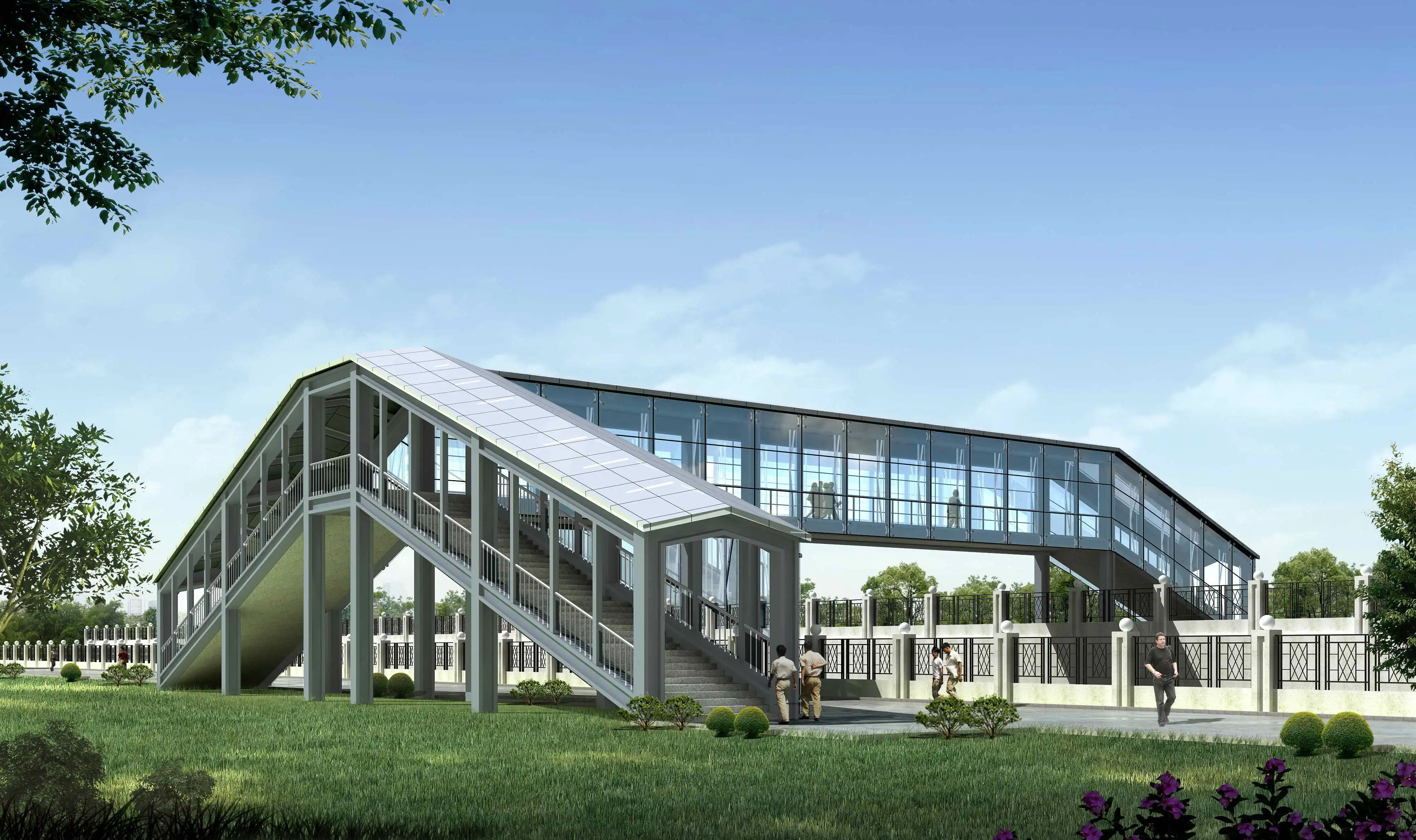
3.beam bridge
4.Truss bridge: A bridge composed of a truss structure
5.arch bridge
6.cable bridge
7.suspension bridge
Advantages of steel structures
1. Reduce costs
Steel structures require lower production and maintenance costs than traditional building structures. In addition, 98% of steel structural components can be reused in new structures without reducing mechanical properties.
2. Quick installation
Precise machining of structural steel components can speed up erection and allow monitoring using management software to speed up construction progress.
3. Health and Safety
Steel structural components are produced in factories and safely constructed on-site by professional installation teams. Actual inspection results have proven that steel structures are the safest solution.
Since all components have been pre-fabricated in the factory, there is very little dust and noise during the construction process.
4. Flexibility
Steel structures can be modified to meet future needs, loads, and lengthwise expansions to meet the owner’s requirements that other structures cannot achieve.


One Response
Hi, this is a comment.
To get started with moderating, editing, and deleting comments, please visit the Comments screen in the dashboard.
Commenter avatars come from Gravatar.